What Do Cancers Fear - Fears of the signs | Star Signs | Pinterest | Zodiac ... - We have seen the slow lingering deaths with extended periods of severe and debilitating illness, hair loss, weight loss, depression, nausea, etc.. We see ourselves as victims and that cancer only strikes the unlucky ones. It may lead to repeated medical examinations that fail to reveal a malignancy. Studies on potentially influencing variables, like time since diagnosis, cancer type, and sex, have yielded heterogeneous results. Eventually these fears will fade, though they may never go away completely. One reason we fear cancer is because we think that we have no control over it.
Also social support has rarely been examined as an influencing factor. This is a completely understandable reaction, especially during times of uncertainty, including between appointments or waiting for test results. Fear of death is one thing cancer patients will have to face sooner or later. It seems both to facilitate and to deter early diagnosis behaviours. One reason we fear cancer is because we think that we have no control over it.
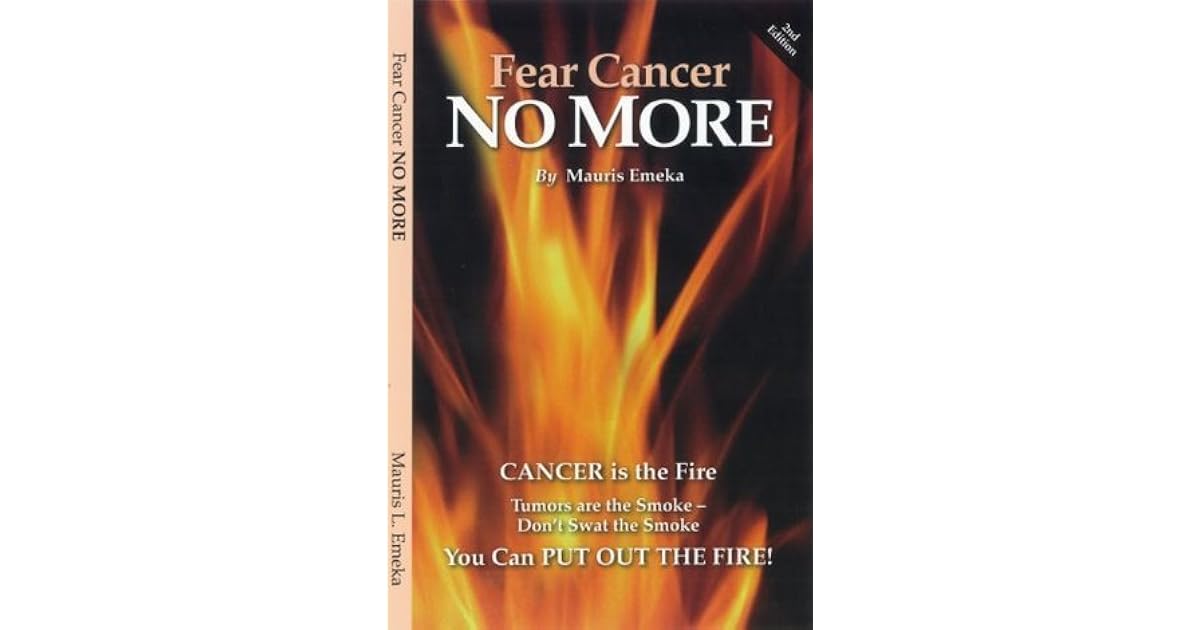
Fear Cancer No More, 2nd edition by Mauris L. Emeka from i.gr-assets.com A cancer diagnosis can be a scary thing, wrought with uncertainty. Learn why we humans fear death and what the core issue is. Fear of recurrence (for) is among the most important concerns for cancer survivors. Cancer fears emanated from a core view of cancer as an enemy, evoking fears about its proximity, the (lack of) strategies available to keep it at a distance, the personal and social implications of succumbing, and dying from cancer. We see ourselves as victims and that cancer only strikes the unlucky ones. Cancer has long inspired fear, but the effect of fear is not well understood; It may lead to repeated medical examinations that fail to reveal a malignancy. We believe that cancer is a horrible disease and that you need to fight it.
Of course, it's normal to experience fear of any kind but people with carcinophobia often take their fear to the extreme and when that fear impacts their everyday life it becomes a source for concern.
Cancer fears emanated from a core view of cancer as an enemy, evoking fears about its proximity, the (lack of) strategies available to keep it at a distance, the personal and social implications of succumbing, and dying from cancer. It takes a lot to cope with this fear, so we polled cure® 's social media audience for their advice. Despite this, people with this condition are unable to be reassured about their clean bill of health for any length of time. But sometimes the fear of cancer is enough to cause someone significant distress. This is a completely understandable reaction, especially during times of uncertainty, including between appointments or waiting for test results. This enemy has various characteristics that could influence whether fight or flight is most appropriate. Those most likely to skip appointments are men under 30 or. Since cancer often involves pain and suffering, both from the disease and the treatment's side effects, the levels of fear felt can become quite significant. To elucidate fear's behavioural effects, we systematically reviewed and synthesised qualitative literature to explore what people fear about cancer. It seems both to facilitate and to deter early diagnosis behaviours. Cancer has long inspired fear, but the effect of fear is not well understood; Studies on potentially influencing variables, like time since diagnosis, cancer type, and sex, have yielded heterogeneous results. We see ourselves as victims and that cancer only strikes the unlucky ones.
Carcinophobia, or the fear of getting cancer, typically affects those who have had the disease or have known people afflicted with it. But sometimes the fear of cancer is enough to cause someone significant distress. To elucidate fear's behavioural effects, we systematically reviewed and synthesised qualitative literature to explore what people fear about cancer. It takes a lot to cope with this fear, so we polled cure® 's social media audience for their advice. Studies on potentially influencing variables, like time since diagnosis, cancer type, and sex, have yielded heterogeneous results.
Just Breathe: Dealing with Fear and Anxiety After Cancer ... from i.ytimg.com Fear of death is one thing cancer patients will have to face sooner or later. It was his opinion that the fear of cancer had engulfed the american people to such extent that it contributed to the fact so many people are stricken with it. It takes a lot to cope with this fear, so we polled cure® 's social media audience for their advice. With increasing cancer survival, fear of cancer recurrence (fcr) is becoming a prominent clinical issue. This is a completely understandable reaction, especially during times of uncertainty, including between appointments or waiting for test results. Simply finding a lump or possible other sign or symptom of cancer can cause anxiety and fear, along with finding out that they have cancer or that the cancer has come back. Also social support has rarely been examined as an influencing factor. Why do people fear getting cancer?
Learn why we humans fear death and what the core issue is.
Learn why we humans fear death and what the core issue is. It is possible that today, in terms of the total number of people affected, fear of cancer is. It may lead to repeated medical examinations that fail to reveal a malignancy. Anxiety is unease, fear, and dread caused by stress. We see ourselves as victims and that cancer only strikes the unlucky ones. Distress is emotional, mental, social, or spiritual suffering. Studies on potentially influencing variables, like time since diagnosis, cancer type, and sex, have yielded heterogeneous results. Fear of death is one thing cancer patients will have to face sooner or later. Fear of treatment, doctor visits, and tests might also cause apprehension (the feeling that something bad is going to happen). Though they may go years without any sign of disease, cancer survivors say the thought of recurrence is always with them. But sometimes the fear of cancer is enough to cause someone significant distress. And discover some simple exercises you can do now to let go of this fear once and for all. With increasing cancer survival, fear of cancer recurrence (fcr) is becoming a prominent clinical issue.
Patients living with cancer feel many different emotions, including anxiety and distress. Of course, it's normal to experience fear of any kind but people with carcinophobia often take their fear to the extreme and when that fear impacts their everyday life it becomes a source for concern. It seems both to facilitate and to deter early diagnosis behaviours. Since cancer often involves pain and suffering, both from the disease and the treatment's side effects, the levels of fear felt can become quite significant. One reason we fear cancer is because we think that we have no control over it.
WHAT DO YOU FEAR? - YouTube from i.ytimg.com And discover some simple exercises you can do now to let go of this fear once and for all. Anxiety is unease, fear, and dread caused by stress. Since cancer often involves pain and suffering, both from the disease and the treatment's side effects, the levels of fear felt can become quite significant. It may lead to repeated medical examinations that fail to reveal a malignancy. Cancer has long inspired fear, but the effect of fear is not well understood; Carcinophobia, or the fear of getting cancer, typically affects those who have had the disease or have known people afflicted with it. It seems both to facilitate and to deter early diagnosis behaviours. Though they may go years without any sign of disease, cancer survivors say the thought of recurrence is always with them.
Fear of treatment, doctor visits, and tests might also cause apprehension (the feeling that something bad is going to happen).
This enemy has various characteristics that could influence whether fight or flight is most appropriate. Distress is emotional, mental, social, or spiritual suffering. On our facebook, twitter and instagram channels, we asked: Risks for which we are unable to control, or that we perceive we are unable to control, also increase levels of feeling fear. Despite this, people with this condition are unable to be reassured about their clean bill of health for any length of time. Fear of recurrence (for) is among the most important concerns for cancer survivors. And discover some simple exercises you can do now to let go of this fear once and for all. To elucidate fear's behavioural effects, we systematically reviewed and synthesised qualitative literature to explore what people fear about cancer. Fear of death is one thing cancer patients will have to face sooner or later. Cancer has long inspired fear, but the effect of fear is not well understood; It is possible that today, in terms of the total number of people affected, fear of cancer is. Studies on potentially influencing variables, like time since diagnosis, cancer type, and sex, have yielded heterogeneous results. Patients living with cancer feel many different emotions, including anxiety and distress.